Advertisement
Eco-Friendly Packaging Materials Best Options for Modern Brands
As sustainability becomes a major priority for consumers and businesses alike, eco-friendly packaging has transformed from a trend into a necessity. Modern brands are increasingly adopting sustainable packaging solutions to reduce environmental impact, improve customer perception, and comply with evolving environmental regulations.
Advertisement
Consumers today are more conscious of their purchasing decisions and often prefer brands that demonstrate a commitment to environmental responsibility. Choosing the right eco-friendly packaging materials can help businesses minimize waste, lower their carbon footprint, and build stronger customer loyalty.
In this guide, we’ll explore the best eco-friendly packaging materials available for modern brands and how they can benefit your business.
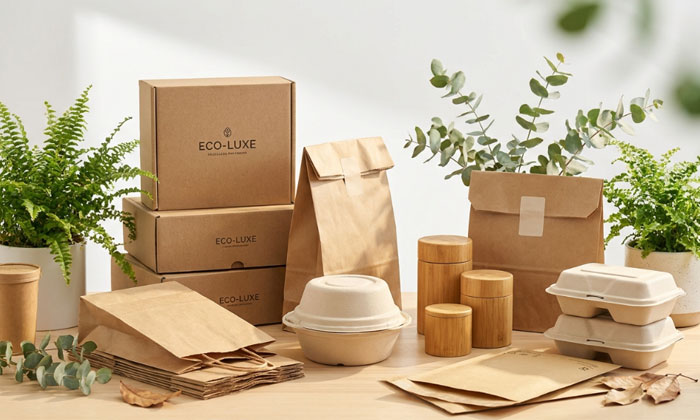
Why Eco-Friendly Packaging Matters
Traditional packaging materials, especially single-use plastics, contribute significantly to global pollution. Millions of tons of plastic waste enter landfills and oceans every year, causing long-term environmental damage.
Eco-friendly packaging offers several benefits:
- Reduces environmental impact
- Enhances brand reputation
- Meets consumer demand for sustainability
- Supports corporate social responsibility goals
- Helps comply with environmental regulations
- Can reduce shipping costs through lightweight materials
Brands that invest in sustainable packaging often gain a competitive advantage in today’s environmentally conscious marketplace.
1. Recycled Cardboard and Paper
Recycled cardboard and paper are among the most popular sustainable packaging materials. These materials are produced using post-consumer waste, reducing the need for virgin resources.
Benefits:
- Biodegradable and recyclable
- Cost-effective
- Widely available
- Suitable for shipping boxes, cartons, and inserts
Modern e-commerce brands frequently use recycled cardboard packaging because it provides durability while maintaining sustainability standards.
2. Corrugated Packaging
Corrugated cardboard remains one of the most environmentally friendly packaging solutions for shipping and retail applications.
Benefits:
- High strength-to-weight ratio
- Made from renewable resources
- Easily recyclable
- Excellent product protection
Many companies choose corrugated packaging because it reduces product damage during transportation while remaining environmentally responsible.
Advertisement
3. Kraft Paper Packaging
Kraft paper has become a favorite among eco-conscious brands due to its natural appearance and sustainable properties.
Common Uses:
- Shopping bags
- Product wraps
- Food packaging
- E-commerce mailers
Advantages:
- Biodegradable
- Recyclable
- Renewable source material
- Minimal processing requirements
Its rustic and natural look also appeals to consumers seeking environmentally responsible products.
4. Compostable Packaging
Compostable packaging materials break down naturally in composting environments without leaving harmful residues.
Materials Include:
- Cornstarch-based packaging
- Sugarcane bagasse
- Plant fiber products
- Compostable bioplastics
Benefits:
- Reduces landfill waste
- Decomposes naturally
- Supports circular economy initiatives
Compostable packaging is particularly popular in the food and beverage industry where sustainability expectations are rapidly increasing.
Advertisement
5. Biodegradable Plastics
Biodegradable plastics offer an alternative to conventional petroleum-based plastics. These materials are designed to break down faster under specific environmental conditions.
Advantages:
- Reduced environmental impact
- Similar functionality to traditional plastic
- Suitable for various packaging applications
However, businesses should ensure proper disposal systems are available, as some biodegradable plastics require industrial composting facilities.
6. Mushroom Packaging
Mushroom packaging is one of the most innovative sustainable packaging materials available today.
Created from agricultural waste and mycelium (mushroom roots), this packaging can replace foam and plastic protective inserts.
Benefits:
- Fully compostable
- Renewable production process
- Excellent shock absorption
- Zero toxic chemicals
Many innovative brands are adopting mushroom packaging to showcase their commitment to environmental sustainability.
7. Bamboo Packaging
Bamboo is a rapidly renewable resource that grows much faster than traditional timber.
Uses:
- Cosmetic containers
- Product boxes
- Food packaging
- Luxury packaging solutions
- Advantages:
- Highly sustainable
- Durable and lightweight
- Naturally biodegradable
- Attractive appearance
Premium brands often choose bamboo packaging because it combines sustainability with an upscale aesthetic.
8. Glass Packaging
Glass remains one of the most recyclable packaging materials available.
Benefits:
- Infinitely recyclable
- Non-toxic
- Preserves product quality
- Premium customer perception
Industries such as cosmetics, food, and beverages frequently utilize glass packaging to support sustainability initiatives while maintaining product integrity.
Advertisement
9. Reusable Packaging Solutions
Reusable packaging is gaining popularity as businesses seek to reduce single-use waste.
Examples include:
- Refillable containers
- Reusable shipping boxes
- Returnable product packaging
Benefits:
- Minimizes waste generation
- Encourages customer engagement
- Supports circular business models
Many brands now offer incentives for customers who return packaging for reuse.
10. Plant-Based Packaging Materials
Plant-based packaging uses renewable materials derived from crops such as corn, sugarcane, wheat straw, and seaweed.
Advantages:
- Renewable resource base
- Reduced carbon emissions
- Biodegradable options available
- Less dependence on fossil fuels
These materials continue to gain popularity as packaging technology advances.
How to Choose the Right Eco-Friendly Packaging
Selecting the best packaging material depends on several factors:
Product Type
Fragile products require protective materials, while lightweight products may only need paper-based packaging.
Shipping Requirements
Consider transportation distances and environmental conditions during delivery.
Brand Identity
Choose packaging that aligns with your sustainability goals and brand image.
Budget
Some sustainable materials may have higher upfront costs but can deliver long-term savings through improved customer loyalty and operational efficiencies.
Disposal Options
Ensure customers can easily recycle, compost, or reuse the packaging you provide.
Future Trends in Sustainable Packaging
The packaging industry continues to innovate with new eco-friendly solutions.
Emerging trends include:
- Smart recyclable packaging
- Seaweed-based packaging materials
- Edible packaging
- Carbon-neutral packaging production
- Minimalist packaging designs
- Reusable packaging subscription programs
As technology advances, sustainable packaging options will become even more effective, affordable, and widely available.
Eco-friendly packaging materials are no longer optional for modern brands looking to remain competitive in a sustainability-focused marketplace. From recycled cardboard and kraft paper to mushroom packaging and plant-based alternatives, businesses now have numerous environmentally responsible options available.
By adopting sustainable packaging solutions, brands can reduce their environmental footprint, appeal to eco-conscious consumers, and strengthen their market position. Investing in eco-friendly packaging today not only benefits the planet but also supports long-term business growth and customer trust.
As consumer expectations continue to evolve, brands that prioritize sustainability will be better positioned for future success.
Advertisement